3D TPU club badges
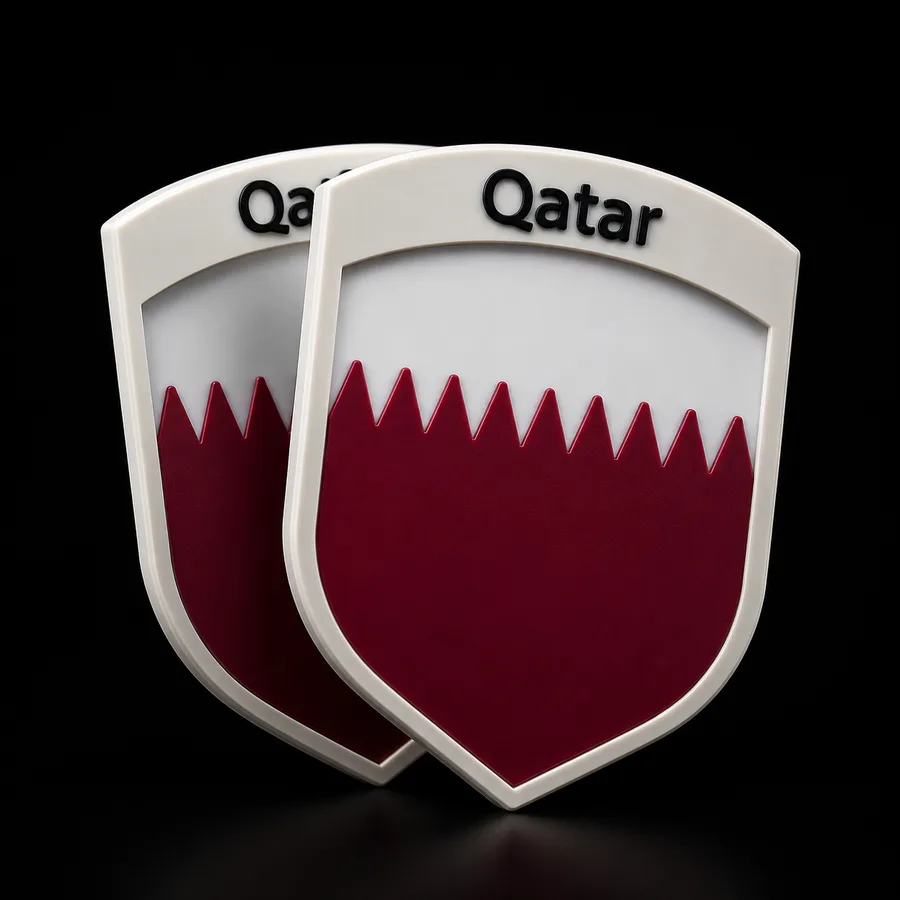
Raised, multi-layered crests with genuine depth — the finish used across professional football.
A 3D TPU badge is what separates a club shirt from a printed t-shirt. Made from thermoplastic polyurethane and applied under high-temperature transfer, these crests are 0.8–1.2 mm thick with several stacked colour layers, giving them a tangible depth that no flat print can match. It is the same technique used in the Bundesliga and Champions League.
We produce them in-house in Germany: up to 12 colour layers, over 50 colours including metallic, neon and reflective finishes, sizes from 4 to 30 cm. Minimum order is 500 pieces — for smaller runs we recommend embroidery, which achieves a similarly premium look without the minimum.
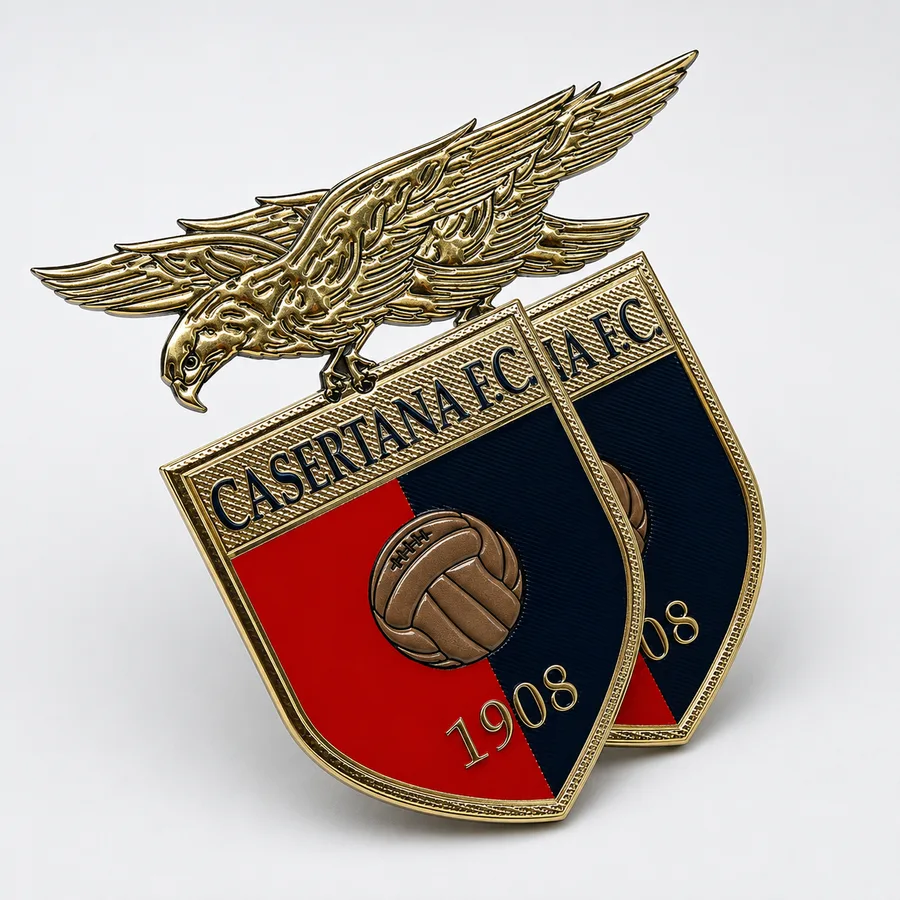
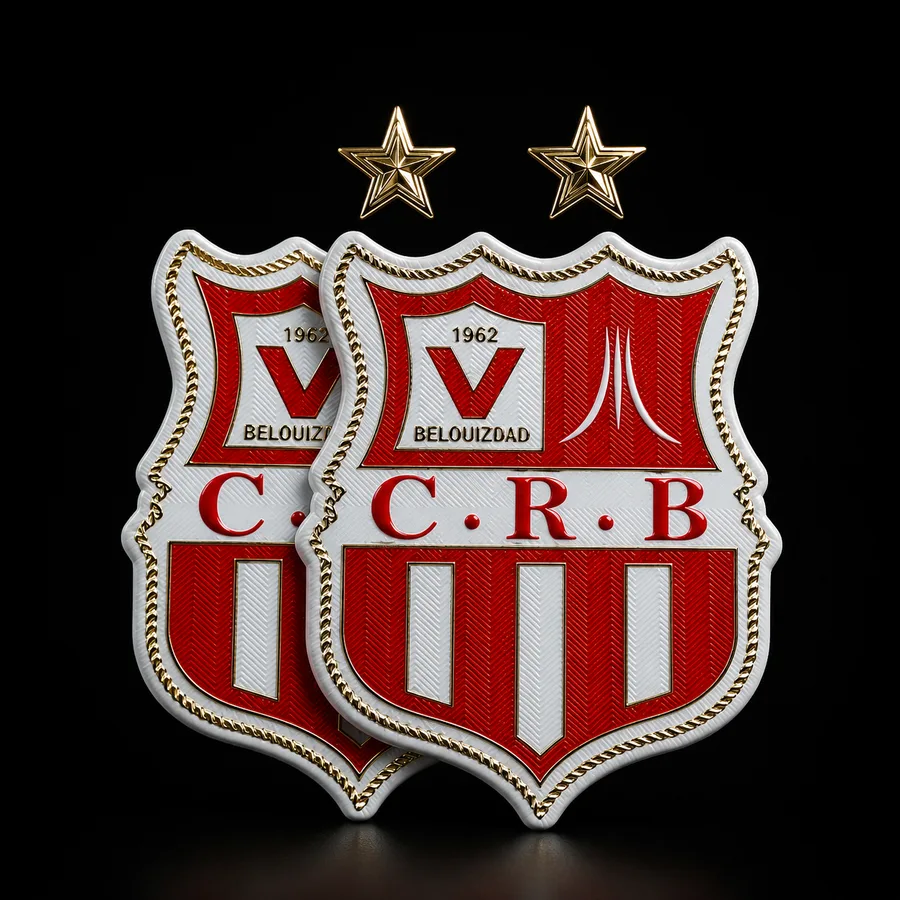
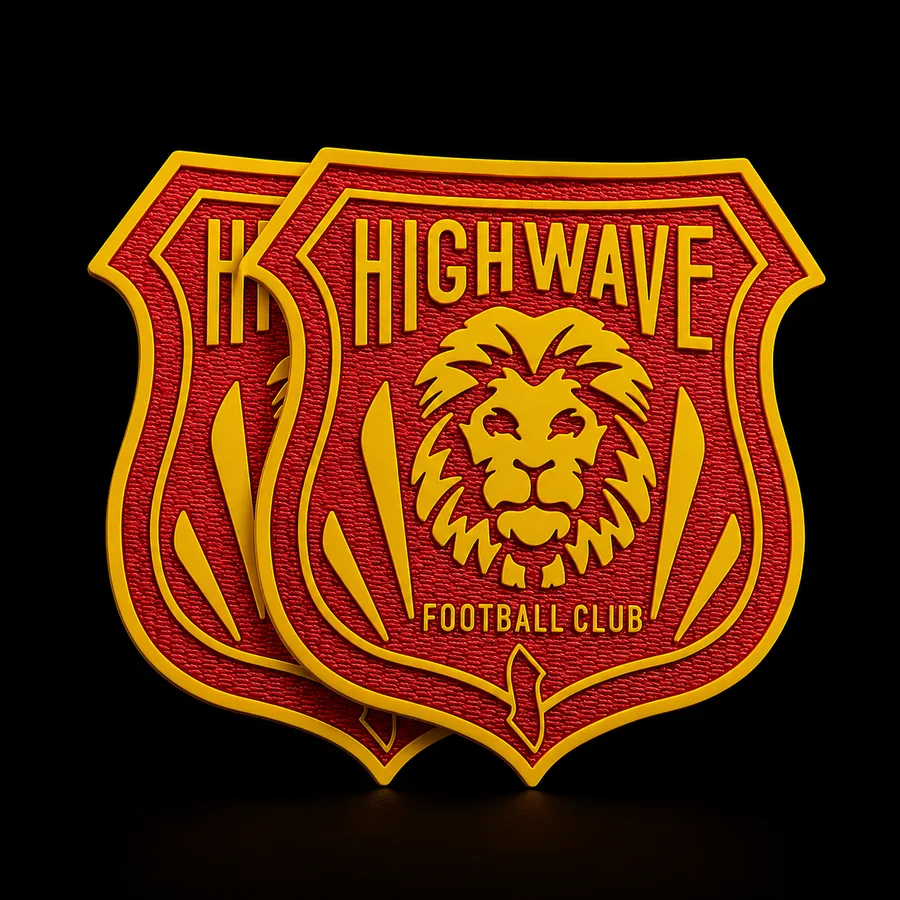
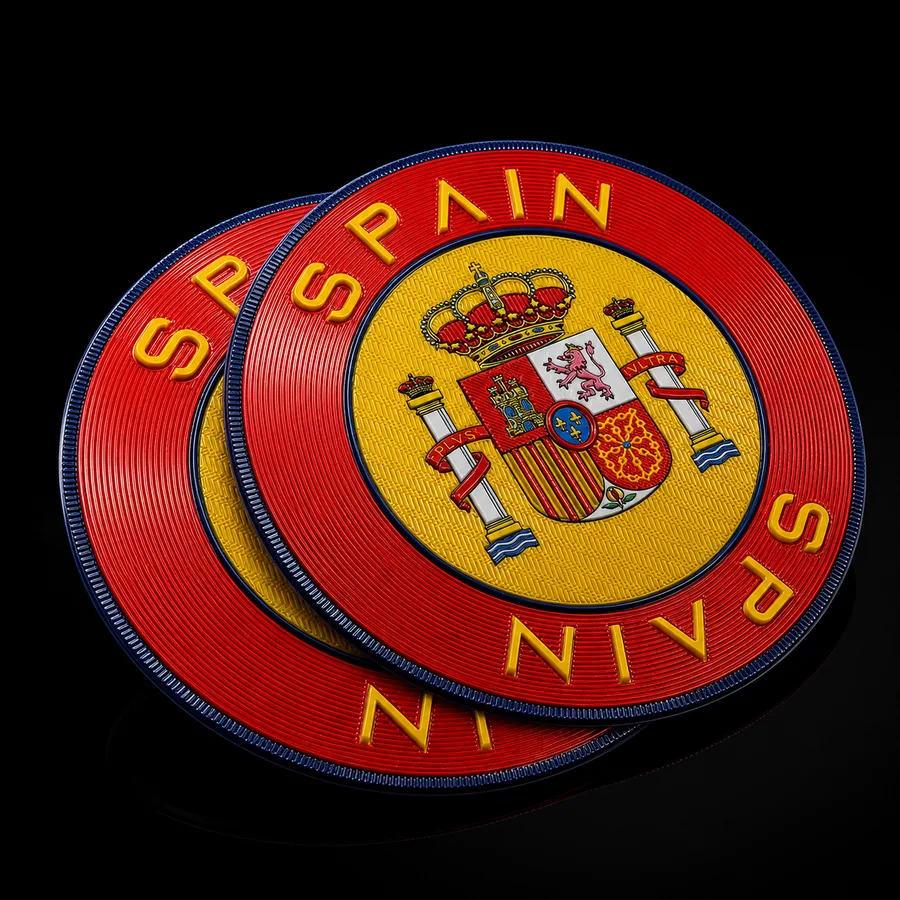
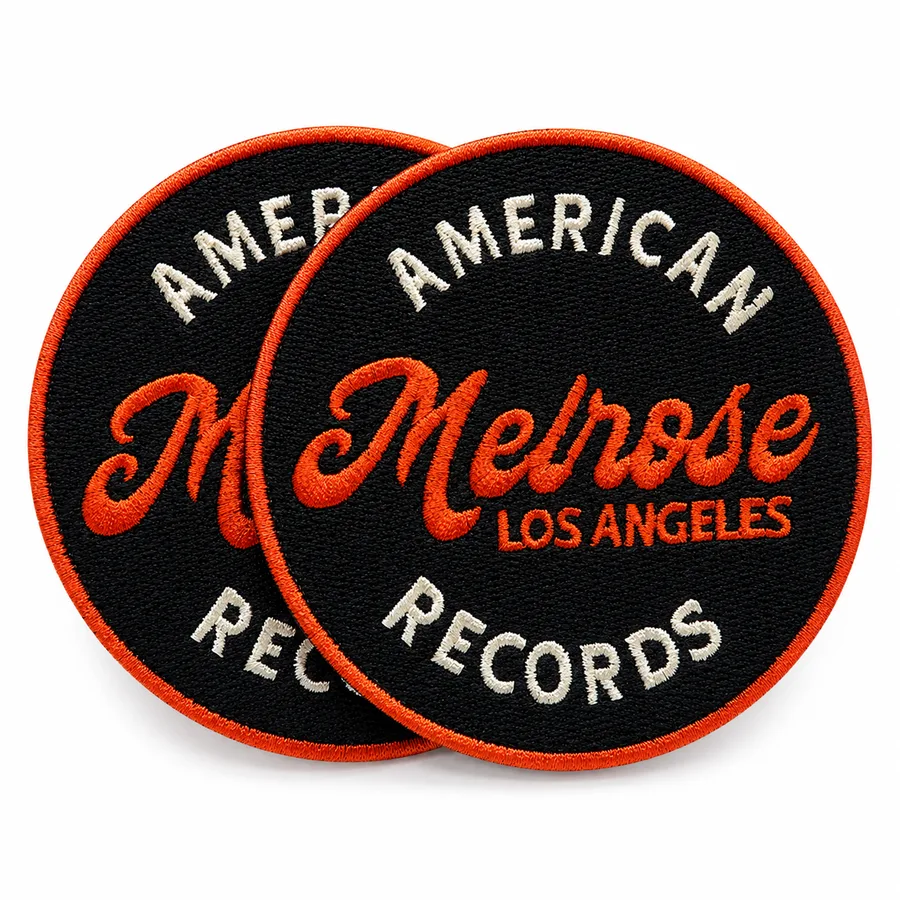
Real badges from our workshop
Genuine TPU badges: tangible depth, multiple colour layers, metallic and textured finishes.
Technical specification
- 0.8–1.2 mm raised finish
- Up to 12 colour layers
- 50+ colours incl. metallic & neon
- Sizes from 4 to 30 cm
- Line weight from 1 mm
- Washable at 30 °C, 3–5 seasons
- Produced in Lünen, Germany
- Minimum order: 500 pieces
What exactly is a 3D TPU badge?
TPU stands for thermoplastic polyurethane — a flexible, hard-wearing material applied to textiles by high-temperature transfer press. Unlike flex printing, which sits flat at around 0.1 mm, a TPU badge is 0.8 to 1.2 mm thick and built from several stacked colour layers. The result has visible depth and a surface you can feel with your fingertips. It is the standard finish across professional football, and the single most noticeable upgrade a club kit can get.
Where 3D badges work
Match jerseys, shorts and socks, training wear, hoodies, presentation suits, polo shirts, caps, jackets and softshells. TPU bonds reliably even to waterproof membranes, so rain jackets are no problem. Suitable for football, handball, basketball, volleyball, American football, ice hockey and beyond — and equally for school teams, company sides and tournament squads that want a professional appearance.
Why the 500-piece minimum exists
Each badge requires an individual plotter cut for every colour layer plus a dedicated transfer press setup. That preparation is the same whether we make 20 badges or 2,000, which is why small runs make no economic sense. For fewer pieces we recommend embroidery (available from a single item, comparable premium feel) or woven patches. We will tell you honestly which route fits your quantity rather than pushing you into a minimum you do not need.
Colours, finishes and detail
Over 50 colours are available, including metallic tones, neon and reflective finishes. Up to twelve colour layers can be stacked in a single badge, and line weights down to about 1 mm reproduce reliably. Sizes range from 4 cm sleeve badges to 30 cm back pieces. If your crest contains very fine detail or gradients, we will show you on the mock-up how it translates — and adjust the artwork so nothing important disappears.
Care instructions
Turn garments inside out before washing. Machine wash at 30 °C on a gentle cycle without fabric softener. Do not tumble dry. Iron only from the inside, never directly onto the badge.
How a 3D badge is made
1. Artwork — you send your crest as a vector file or high-resolution image. 2. Design consultation — we prepare a digital mock-up showing colours, layers and size. 3. Written approval — nothing is produced until you confirm. 4. Plotter cut — each colour layer is cut individually from TPU film. 5. Transfer press — the layers are bonded at roughly 160 °C. 6. Quality control and dispatch — every badge is checked before it leaves us. Production takes five to ten working days after approval.
Which brands can be decorated?
All of them. Nike, Adidas, Puma, JAKO, Erima, Hummel, Kappa, Mizuno, Joma, Kempa, Uhlsport, Derbystar, Select and Craft garments can all carry 3D TPU badges — including waterproof softshells and rain jackets, where TPU bonds reliably to membrane fabrics. Browse the 2026 catalogues to pick your base garment.
Why it reduces complaints
Most kit disappointment comes from a crest that looks flat or cheap next to the club’s own artwork. A 3D badge removes that gap: the depth, the layered colours and the metallic options match what members expect from professional kit. Combined with the mock-up approval step, clubs know exactly what they are getting before production starts.
Get in touch
Tell us about your club and what you need — you will receive advice, a free digital mock-up and a no-obligation quote.
Decoration techniques compared
Where 3D TPU sits against the alternatives:
| Property | 3D TPU | Flex printing | Flock printing | Embroidery |
|---|---|---|---|---|
| Thickness | approx. 1 mm (tangible) | approx. 0.1 mm (flat) | approx. 0.5 mm (velvety) | thread texture |
| Look | Raised, premium | Smooth, classic | Soft, velvet-like | Woven, high-end |
| Durability | 3–5 seasons | 1–3 seasons | 2–3 seasons | hundreds of washes |
| Wash temperature | 30 °C | 30 °C | 30 °C | up to 60 °C |
| Best for | Club crests, sponsors | Numbers, player names | Lettering, large areas | Polos, jackets, caps |
| Minimum order | 500 pieces | from 1 piece | from 1 piece | from 1 piece |
Compatible with every brand we supply
3D TPU badges can be applied to garments from all our partner brands — including waterproof softshells and rain jackets.











Frequently asked questions
Each badge requires an individual plotter cut per colour layer and a dedicated transfer press setup. Below 500 pieces the setup cost dominates — embroidery is the better option there.
Three to five seasons of normal club use when washed as instructed. They do not crack or peel like cheap prints.
A vector file is ideal. We also work from high-resolution images and prepare the artwork for you at no charge.
Yes, over 50 colours are available including metallic and neon. We confirm the colour match on the digital mock-up before production.
Five to ten working days after approval, plus shipping.